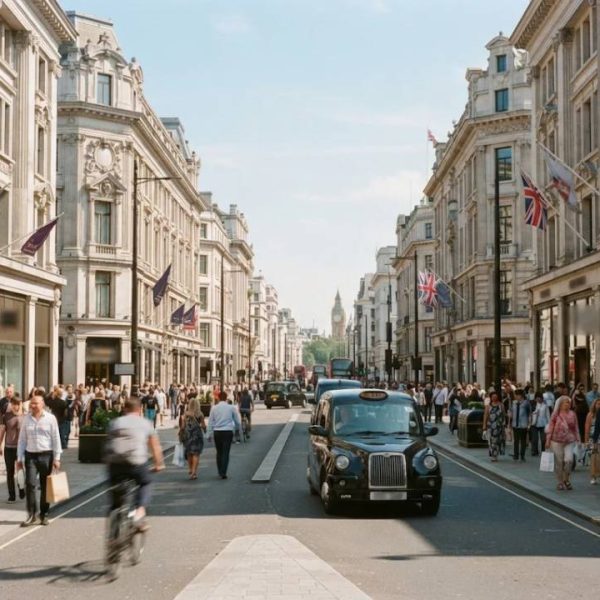
Regent Street is one of the few shopping streets in the world that people visit for the architecture as much as for the stores. Its sweeping curve through the West End, designed by John Nash and later rebuilt in pale Portland stone, links Piccadilly Circus with Oxford Circus and passes some of the best known names in British retail. Whether you have one afternoon or a full weekend, a little planning turns a crowded walk into a relaxed and memorable day.
A Short History Worth Knowing
The street was laid out in the early nineteenth century as a grand royal route and as a boundary between the elegant streets of Mayfair and the busier lanes of Soho. Almost all of the original buildings were replaced in the 1920s, but the curved line and the sense of scale survived. Knowing this helps you read the façades as you walk, because every block was designed to feel like part of one continuous composition.
Today the street is managed as a single estate, which explains why the shop fronts, lighting and seasonal decorations feel so consistent. Visitors who look up above the ground floors will notice carved details, clock faces and rooflines that most people miss while they are watching the displays.
Best Time to Visit
Weekday mornings are the calmest, especially outside school holidays. Stores open around ten, and you can walk the full length in comfort before the lunch crowd arrives. Saturdays are lively and fun but very busy, and the stretch near Oxford Circus can feel crowded from midday until the evening.
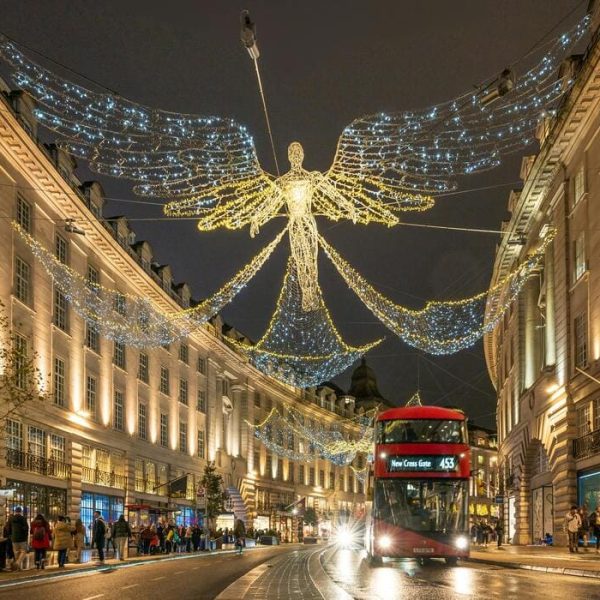
Plan your busiest stops for the first hour after opening, and keep café breaks for the middle of the day, because queues for popular stores and tables grow quickly after noon. Late autumn and early December bring the famous lights, which draw large evening crowds but also create some of the best photographs of the year.
Shopping From Heritage Brands to Modern Flagships
The street is home to a famous department store in a timbered Tudor-style building, a toy shop that fills several floors, and flagships for fashion, beauty, technology and homeware brands. Many shoppers arrive with a list and leave with something unexpected, which is part of the charm. Smaller side streets such as Carnaby Street and Savile Row are only minutes away and add independent boutiques and tailoring to the mix.
If you are buying gifts, ask about tax-free shopping for visitors where it applies, and keep your receipts together. Many stores offer personal shopping, wrapping and delivery to hotels, which saves you from carrying bags all afternoon.
Where to Eat and Take a Break
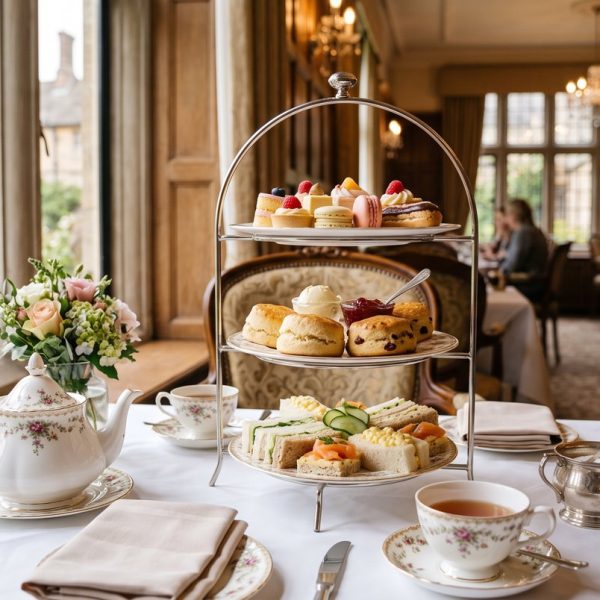
Regent Street and the lanes around it offer everything from quick coffee and pastries to long lunches and theatre-time dinners. Look for restaurants on the side streets, where menus are often better value than on the main road. Afternoon tea is a classic choice, and many hotels nearby serve it with a view of the passing traffic.
Families will find relaxed options near the toy shop, while couples and groups can choose from several well-reviewed restaurants within a few minutes of Piccadilly Circus. Booking ahead is wise on Friday and Saturday evenings and before matinee performances.
Getting There and Getting Around
The street is served by several Underground stations, including Oxford Circus, Piccadilly Circus and Green Park, and by many bus routes. Walking from end to end takes roughly twenty minutes without stops, though most visitors spend far longer. The official Visit London tourism site publishes up-to-date transport and event information that is useful when you plan your day.
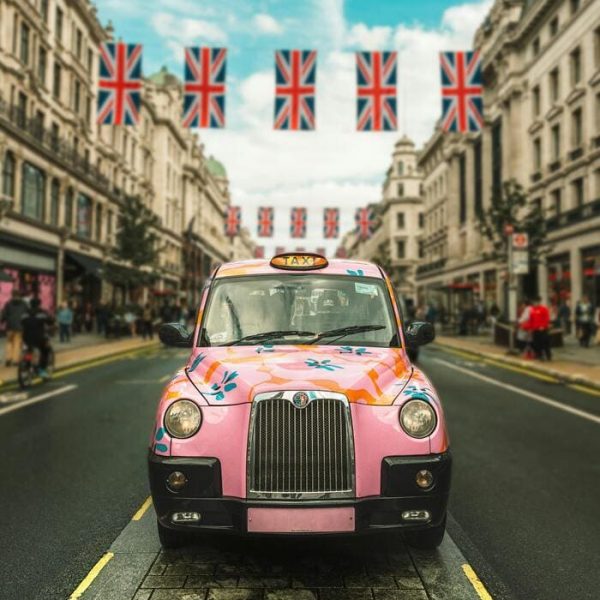
Black taxis and ride services are easy to find, and the pavements are wide, but the pedestrian crossings at the major junctions are busy. Keep bags closed and phones secure in crowded places, as you would in any large city.
Tips for International Visitors
London welcomes millions of visitors from abroad each year, and many arrive without speaking English fluently. Menus, tax-free forms, tickets and museum guides are easier to follow when you prepare in advance. Travelers who read Arabic often save pages of useful information, and services offering english to arabic translation can help prepare itineraries, booking confirmations and family guides before the trip begins.
If you need help during a visit that involves meetings or appointments, it is worth understanding the difference between an interpreter and a translator, because the right professional makes a real difference in a medical, legal or business setting.
Seasonal Highlights
Spring brings open-air events and street closures that let people walk freely in the middle of the road. Summer is the season for car-free Sundays and outdoor dining, while autumn and winter focus on lights, festive windows and gift shopping. Each season changes the mood, so choose the period that matches the kind of trip you want.
The Christmas lights are the most famous attraction, with a switch-on event that draws large crowds. If you want a quieter visit, go in the first days after the lights are installed rather than on the weekend of the official ceremony.
Budget and Value Tips
A day on Regent Street does not have to be expensive. Window shopping, architecture and people watching are free, and many stores have sales in January and July. Coffee and lunch cost less on the side streets than in the main thoroughfare, and public museums nearby are free to enter.
Set a spending limit before you arrive, and decide which stores matter most to you. A short list prevents the common mistake of rushing through everything and enjoying nothing.
Accessibility and Family Travel
The street is broadly accessible, with wide pavements, lifts in most stores and step-free access at many entrances. Check the station you plan to use, as some Underground stations still have many steps. Families with strollers will find baby changing rooms in the larger stores.
Plan rest stops for children, especially if you shop for several hours. A visit to a nearby park breaks up the day and gives younger travelers a chance to burn off energy.
Combine Regent Street With Nearby Sights
Within a short walk you can reach Piccadilly Circus, Leicester Square, Soho, Mayfair and the Royal Academy of Arts. Combining the street with one of these areas gives structure to the day and avoids spending hours in stores only.
A good route starts at Oxford Circus, follows the curve south to Piccadilly Circus, and ends with dinner in Soho or a show in the West End.
Common Mistakes to Avoid
Visitors often arrive at midday on a Saturday, try to visit every store, and forget to book dinner. They also underestimate how tiring walking on hard pavements can be. Wear comfortable shoes, carry a small bag and drink water through the day.
Another common error is ignoring the side streets. Some of the best cafés, galleries and small shops are only a minute from the main road.
Final Thoughts
Regent Street rewards visitors who give it time. Learn a little of its history, choose the right season, plan your meals and keep some flexibility in your day. Done this way, a simple shopping trip becomes one of the most enjoyable walks in London.
Share your plan with the people you are traveling with, and agree on a meeting point in case you get separated in the crowds.