London is full of iconic streets, but there’s one stretch of sweeping architecture and constant motion that seems to concentrate the whole city’s energy into a single curve. From early morning deliveries to late‑night lights, it’s a place where shoppers, entrepreneurs, creatives, and curious visitors collide in a never‑ending flow. Whether you arrive for the flagship stores, the heritage buildings, or the buzzing side streets, you instantly sense that you’ve stepped into a district where history, commerce, and culture are running on full power.
1. A Historic Curve That Shapes the City
The street’s distinctive curve isn’t just pretty to look at; it was one of the earliest examples of large‑scale urban planning in the capital. Designed in the early 19th century, this grand sweep was intended to connect key parts of the West End while creating a dramatic stage for city life. Today, that same curve guides you naturally from bustling retail avenues to theatres, restaurants, and nightlife, all while framing the skyline with uniform façades and elegant colonnades.
This purposeful design makes every walk feel cinematic. The rhythm of the buildings, the soft bend of the road, and the sightlines towards famous junctions all encourage you to keep moving. For retailers and hospitality brands, it’s a built‑in advantage: foot traffic flows smoothly, new openings are immediately visible, and businesses of every size can tap into a constant stream of potential customers.
2. A Powerhouse of Retail and Business Innovation
This is one of the world’s most recognisable shopping destinations, but it’s also a serious hub for business and experimentation. Flagship stores treat their spaces like live laboratories, testing new technology, experiential layouts, and hybrid digital‑physical concepts. Pop‑ups appear in previously traditional units, big brands collaborate with independent designers, and global names share the same pavements as niche labels and specialist boutiques.
Behind the scenes, it’s a demanding environment for retailers, suppliers, and freelancers alike. Invoices fly back and forth between landlords, visual merchandisers, pop‑up partners, and marketing agencies. Simple tools like a free invoice generator help smaller operators and creative professionals keep pace with the area’s high expectations. When your studio, consultancy, or temporary retail concept is surrounded by global brands, being able to produce polished, accurate documents in seconds is one of the easiest ways to look as professional as your neighbours.
3. Architectural Drama Meets Everyday Life
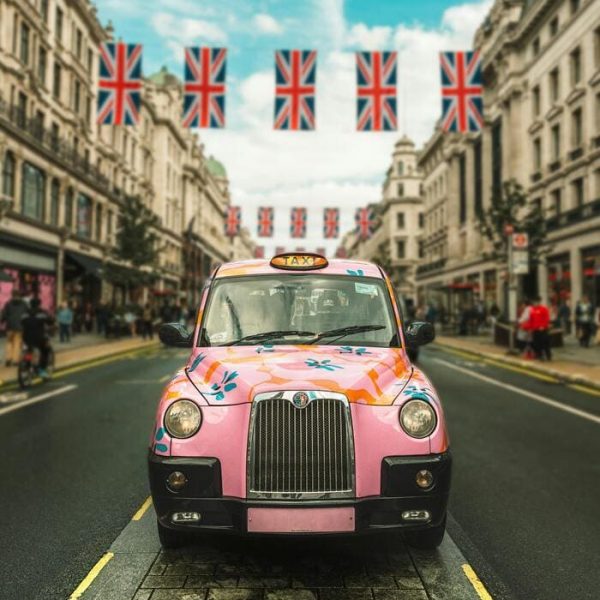
Stand at almost any point along this street and you’re surrounded by creamy stone façades, sweeping rooflines, and detailed cornices that echo a stately past. Yet the grandeur never feels frozen. Bus stops, delivery vans, street musicians, and commuters bring the architecture down to earth, turning what might have been a museum piece into a living backdrop for everyday stories.
This contrast—classic exteriors framing modern brands and fast‑paced city life—creates a powerful sense of place. Visitors photograph the sweeping views; office workers treat it as their daily commute; retailers use the architecture as a canvas for seasonal displays and illuminated signage. The result is a constant visual conversation between heritage and modernity.
4. A Crossroads of Cultures and Communities
Because it sits between other major districts, this street naturally gathers people from all directions: theatre‑goers drifting in from nearby stages, gallery visitors emerging from exhibitions, and tourists navigating between famous squares. Add in the local workforce—from shop staff and baristas to lawyers and marketing teams—and you get a remarkably diverse crowd at almost any hour.
That mix fuels everything from food offerings to pop‑up markets. Cafés cater for quick business meetings and remote workers, while bakeries, cocktail bars, and late‑opening restaurants ensure that there’s always somewhere nearby for post‑shopping or post‑office gatherings. Weekdays feel distinct from weekends, and mornings are a completely different world to evenings, yet the transitions are smooth and constant.
5. Events, Lights, and Ever‑Changing Experiences
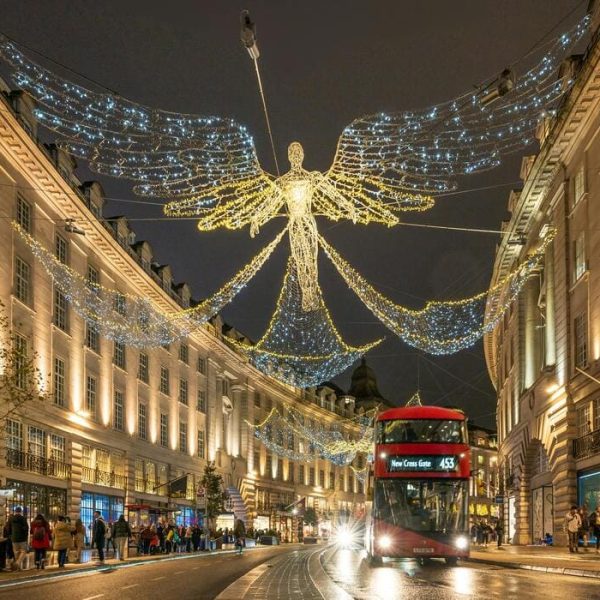
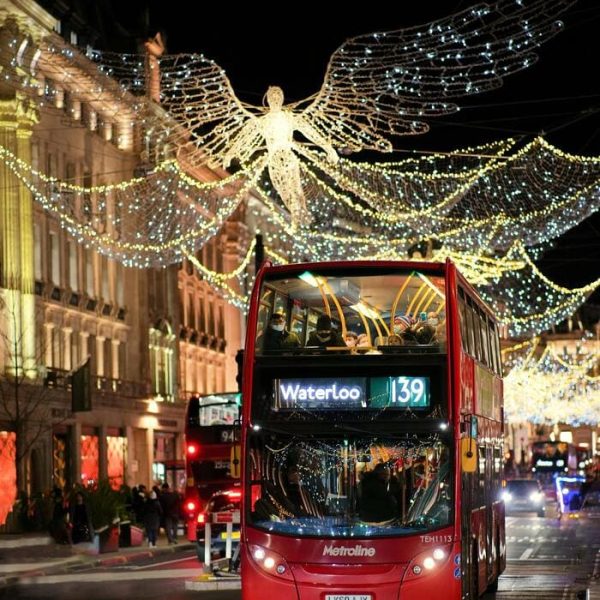
Seasonal events transform the area into a stage. Switch‑on ceremonies, immersive installations, and themed decorations turn familiar corners into something new. The famous festive lights, for instance, don’t just brighten the winter evenings—they signal the start of a whole period of late‑night shopping, special offers, and shared rituals for locals and visitors alike.
Throughout the year, brand activations, street performances, and limited‑time collaborations keep regulars coming back. You might walk the same route every week and still find a new window display, a fresh piece of street art, or a store interior that’s been totally redesigned. The sense of discovery is a major draw; even if you think you know the area well, it has a habit of surprising you.
6. A Magnet for Creatives and Entrepreneurs
The concentration of brands, agencies, and media outlets in the surrounding streets has turned the wider area into fertile ground for creatives. Photographers shoot campaigns here, content creators use the architecture as a backdrop, and stylists, designers, and consultants book meetings in the many cafés and hotel lobbies nearby. Co‑working spaces and serviced offices round out an ecosystem that’s perfect for small agencies and solo professionals.
All of this activity means countless collaborations, short‑term projects, and side hustles. Efficient admin is essential if you’re a freelancer pitching to big retail clients or a micro‑brand testing the waters with a pop‑up space. By automating paperwork, creatives can spend less time chasing invoices and more time capturing the energy of the street itself in their work.
7. Effortless Connectivity Across Central London
Finally, its central position and transport links mean it’s never isolated. Multiple Underground lines, bus routes, and nearby rail connections make it easy to fold a visit into almost any day in the city. Office workers can head over for a quick lunch or a bit of shopping between meetings; visitors can use it as a navigation anchor, knowing that other key attractions are only a short walk away.
This connectivity reinforces its role as a daily touchpoint. People pass through on their way to somewhere else, then linger because there’s always another store to browse, another corner to explore, or another event drawing a crowd. Instead of being a one‑off destination, it becomes part of the everyday rhythm of living, working, and exploring in the capital.
Conclusion: A Street That Never Stands Still
What sets this iconic thoroughfare apart isn’t just its history or its high‑end shops, but its constant motion. Heritage buildings frame cutting‑edge retail concepts, global brands meet indie innovators, and locals weave through tourists on their way to offices, theatres, and late‑night venues. It’s an environment that rewards curiosity, supports ambition, and showcases the city’s ability to reinvent itself without losing its roots.
Whether you’re here to shop, to work, to create, or simply to watch the city go by, this is one of the few places where the full spectrum of urban life is always on display. Stand still for a moment, and you’ll feel it: a steady pulse of movement, opportunity, and possibility, echoing through every curve and every crowd.